

17 popular peptides, graded: three have good human trials, and six have no human trial of what they're sold for
Evidence check, October 4, 2026
The claim: "There's a peptide for everything now: muscle, fat loss, healing, focus, sleep and aging."
Our grade: Weak. Of 17 popular peptides, 3 have good human trials for one specific use, 8 have thin or failed trials, and 6 have no human trial of what they're sold for. Find yours in the table below.
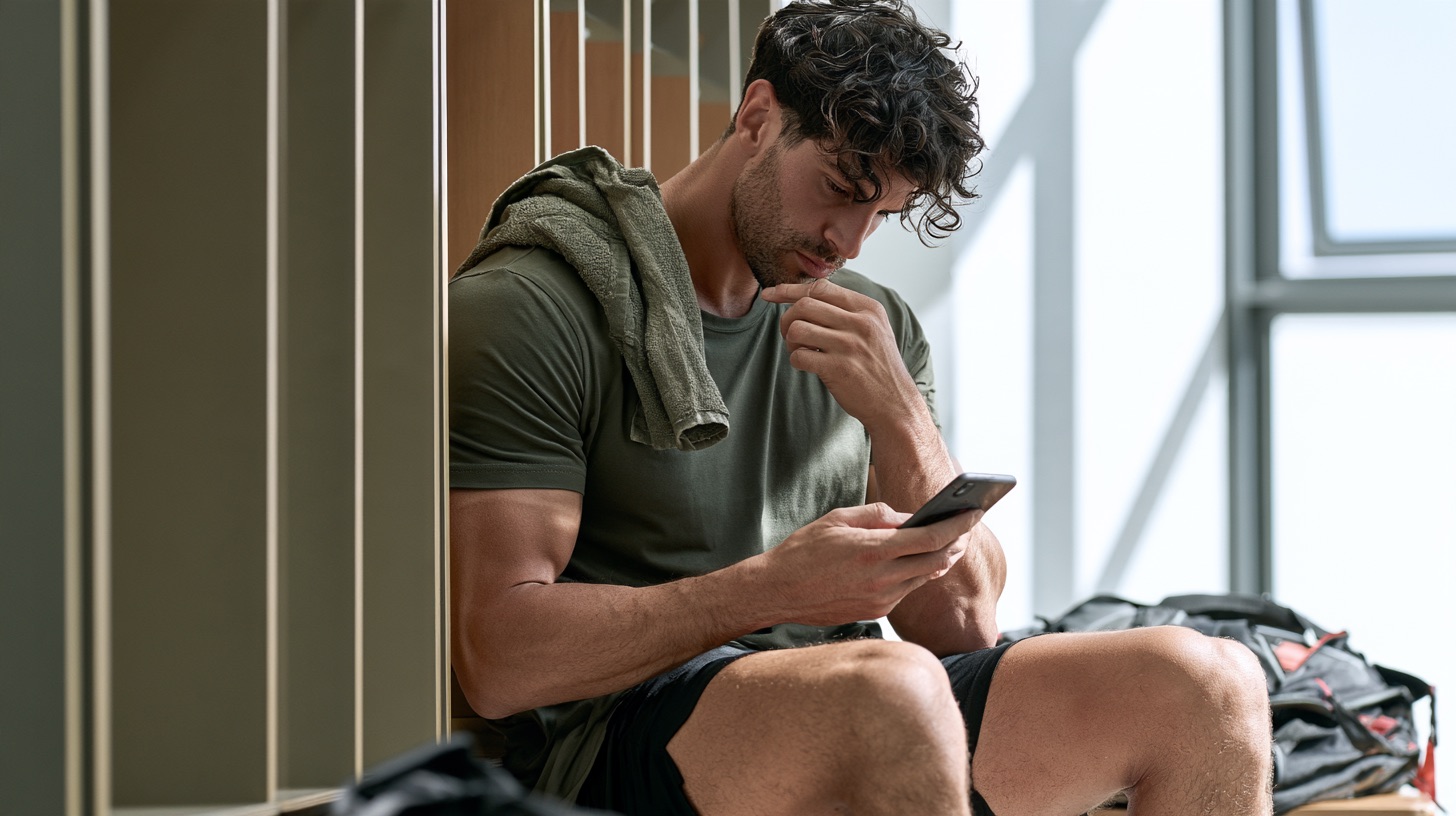
You open a wellness clinic's website and there is a menu. Tesamorelin for belly fat. CJC-1295 with ipamorelin for muscle and sleep. TB-500 for a sore shoulder. Semax for focus. Each one comes with a confident paragraph and a price.
Which of these have actually been tested in people, for the thing on the menu?
That question has a real answer for each peptide, and the answers differ a lot. A few of these are approved drugs with large trials. Others have never been given to a person in a study. We went through the human studies for 17 of them, one by one. A peptide is just a short chain of amino acids, the same building blocks as protein. The name tells you nothing about whether it works.
Our earlier peptides article covers the GLP-1 weight-loss drugs, BPC-157 and epitalon. This guide covers the rest.
Where the claim came from
Peptides moved from bodybuilding forums to podcasts and clinics over the last few years. The success of the GLP-1 drugs, which are peptides and work very well (up to 28% of body weight in a large trial), made the whole category sound proven.
The rules are also loosening. The FDA keeps a list of substances that may pose serious safety risks when pharmacies mix them to order, and many of these peptides are on it [7]. In July 2026 an FDA advisory panel voted, narrowly, to recommend letting pharmacies make six of them: BPC-157, KPV, TB-500, MOTS-c, epitalon and semax [23, 24]. The FDA's own scientists argued against all of them, and the agency has not yet acted. A vote to allow something is not a finding that it works.
The growth-hormone group: one strong result, and it is about belly fat
Six peptides on the menu work the same way. They push your body to release more of its own growth hormone. The pitch is more muscle, less fat and better sleep.
Tesamorelin: Promising
This is the best-tested one. It is an FDA-approved drug (Egrifta) for people with HIV who have gained deep belly fat from their medicines. In a randomized trial of 412 people over 26 weeks, the fat packed around the organs fell 15.2% on tesamorelin and rose 5.0% on placebo [1]. Two trials pooled, 806 people, found the same thing, and the loss held at one year for those who stayed on it [2].
Outside HIV there is one randomized trial: 60 adults with belly obesity, 12 months. Deep belly fat fell on the drug and rose on placebo, with no harm to blood sugar [3]. A separate randomized trial in 152 older adults, 20 weeks, found better scores on thinking tests [4].
The limits matter. The label says it is "not indicated for weight loss management" because total weight does not change [5]. No trial we found tested strength. So: good evidence for deep belly fat, one small trial in people without HIV, nothing on muscle.
MK-677 (ibutamoren): Weak
MK-677 is a pill, not a true peptide, but it is sold alongside them. In the longest trial, 65 healthy adults aged 60 to 81 took it or a placebo for a year. Lean mass rose 1.1 kg (2.4 lb) on the pill and fell 0.5 kg on placebo. But the authors wrote that this "did not result in changes in strength or function", and fasting blood sugar rose [11]. A trial in 123 people recovering from a hip fracture was stopped early because of a possible signal of heart failure [12]. A small study of 8 young men found deeper sleep after a week [13]. More lean mass on a scan, no more strength, and two safety flags.
Sermorelin: Weak
Sermorelin was once an FDA-approved drug (Geref), since discontinued. The evidence in healthy adults is tiny. In 11 healthy men aged 64 to 76, six weeks of nightly shots raised night-time growth hormone but did not change IGF-1 (the hormone that carries out growth hormone's effects), weight, muscle or fat. Two of six strength tests improved, but there was no placebo group, so practice alone could explain that [10].
CJC-1295: Unproven
In healthy adults, a single shot raised growth hormone 2 to 10 times for six days or more [6]. That is a blood test, not a result you can feel. We found no human trial of muscle, fat, sleep or aging. The FDA lists increased heart rate and a body-wide flushing reaction as serious side effects seen with it [7], and its advisory panel voted against letting pharmacies make it in December 2024 [8].
Ipamorelin: Unproven
Usually sold stacked with CJC-1295. Its one real efficacy trial was for something else: getting the gut moving after bowel surgery. In 117 patients, randomized against placebo, it did not help (25.3 versus 32.6 hours to a first meal, a gap that could be chance) [9]. No human trial has tested it for muscle, fat or sleep.
AOD-9604: Not supported
A piece of the growth hormone molecule sold as a fat burner. This one was tested properly and failed. In a randomized trial of 502 adults with obesity, 24 weeks, with a diet and exercise program, weight loss was no better than placebo. The company that ran it said the result was too small to take the drug forward [14].
Healing, skin and immune peptides: mostly untested in people
TB-500: Unproven
TB-500 is a small fragment of a natural protein called thymosin beta-4. The FDA says it has not found any record of the fragment being given to people in a study [7]. The full protein has been tested, but for eyes, not injuries: in an 18-person randomized trial for a hard-to-heal eye surface, 6 of 10 healed on the drops versus 1 of 8 on placebo, which was not enough people to rule out chance [15]. Given by vein to healthy volunteers for 14 days, the full protein caused no serious problems [16]. No human trial has tested either form for a tendon, muscle or joint injury.
GHK-Cu: Weak
A copper-carrying peptide found in skin creams. A 2026 review called the human research "thin and fragmented", mostly small trials of face creams [18]. One randomized trial in 13 people after laser skin treatment found no significant difference on doctors' ratings at 12 weeks, though patients rated their own skin better [17]. Injected GHK-Cu has no controlled human trial, and the FDA says human safety data for injection are limited [7].
Thymosin alpha-1: Weak
Sold to "boost immunity". It has been through large trials in sick people, and the results are mixed. In the biggest, 1,106 adults with sepsis (a life-threatening reaction to infection) were randomized; deaths at 28 days were 23.4% on the drug and 24.1% on placebo, no real difference [19]. In 90 men aged 65 to 99, it was tested as a booster for the flu shot, measuring antibodies rather than illness [20]. No trial has shown that healthy people who take it get fewer infections.
KPV: Unproven
Three amino acids from a natural anti-inflammatory hormone, sold for gut and skin. The FDA has found no record of it being given to people in any study [7]. The research is in cells and animals.
Energy, brain and mood peptides
MOTS-c: Unproven
A peptide made by mitochondria, the parts of your cells that produce energy. In mice it prevented diet-driven obesity and insulin resistance [21], and old mice given it ran better [22]. Exercise raises your own MOTS-c [22], which is why it gets called "exercise in a vial". But the FDA has found no record of it being given to people [7]. The first trial is under way now (see What's next).
SS-31 (elamipretide): Weak
This is a real drug. In September 2025 the FDA approved it for Barth syndrome, a very rare genetic disease of the mitochondria [27]. For everyone else the results so far are not good. In 218 people with mitochondrial muscle disease, randomized, 24 weeks, it did not improve walking distance [25]. In 39 healthy older adults, one infusion briefly raised the muscle's energy output, the effect was gone by day 7, and fatigue did not improve [26].
Semax: Unproven for focus
A nasal peptide studied in Russia in people recovering from strokes. The stroke study we found, in 110 patients, had no placebo group [28]. People buy it for focus and memory, and we found no trial of that in healthy people. The one placebo-controlled study in healthy volunteers, 52 people, looked only at brain scans [29].
Selank: Weak
Sold as calm without drowsiness. In the main study, 62 people with anxiety got selank (30) or an older anxiety drug (32), and did about the same [30]. With no placebo group, that can't tell you how much of the effect was the peptide.
Sex, tanning and collagen: the ones with the most human data
PT-141 (bremelanotide): Solid, for one group
An FDA-approved drug (Vyleesi) for premenopausal women with persistently low sexual desire that bothers them. Two randomized trials, 1,267 women, 24 weeks, found desire scores rose 0.30 and 0.42 points more than placebo [31]. That is a real effect and a small one. Nausea hit 40% of women on the drug versus 1.3% on placebo [32]. It is not approved for men or for improving sex in people without that diagnosis.
Melanotan II: Weak
The "tanning peptide". The tanning evidence is a pilot study in 3 men [33]. In 10 men with erection problems, randomized against placebo in a crossover, it produced erections [34], and that work led to PT-141. It is not approved anywhere we could find, and the FDA cites case reports of melanoma (a deadly skin cancer), priapism (an erection that won't go down, a medical emergency) and other serious events in users [7].
Oral collagen peptides: Promising for knees, Weak for skin
The only one here that is a food supplement. For skin, a 2025 pooling of 23 randomized trials (1,474 people) found a benefit overall, but none in the trials that were not paid for by companies, and none in the high-quality trials [36]. For knee arthritis, 11 randomized trials (870 people) found less pain than placebo, though results varied widely [37], and a larger analysis of 35 trials (3,165 people) found a small benefit with no extra side effects [38].
So back to the menu. For most of what is on it, the honest answer to "has this been tested in people for this?" is no, or not well. The ones that have been tested tend to do one narrow thing.
Our grade
| Peptide | Sold for | Best human evidence | Grade |
|---|---|---|---|
| PT-141 (bremelanotide) | Low desire | 2 randomized trials, 1,267 women; small effect, 40% nausea | Solid (premenopausal women) |
| Tesamorelin | Belly fat | Randomized trials, 806 people with HIV; 60 without | Promising |
| Oral collagen | Joints, skin | Knees: 11 trials, 870 people. Skin: no effect in independent trials | Promising (knees), Weak (skin) |
| MK-677 | Muscle, sleep | 65 adults, 1 year: more lean mass, no more strength; heart failure signal | Weak |
| Sermorelin | Anti-aging | 11 men, 6 weeks, no placebo group; no change in muscle or fat | Weak |
| GHK-Cu | Skin | Small cream trials; none for injection | Weak |
| Thymosin alpha-1 | Immunity | 1,106 sepsis patients, no benefit; none in healthy people | Weak |
| SS-31 (elamipretide) | Energy | Approved for a rare disease; failed in 218 others | Weak |
| Selank | Anxiety | 62 people, no placebo group | Weak |
| Melanotan II | Tanning, erections | 3 men (tanning), 10 men (erections); serious case reports | Weak |
| AOD-9604 | Fat loss | 502 adults, 24 weeks: no better than placebo | Not supported |
| CJC-1295 | Muscle, fat | Hormone levels only | Unproven |
| Ipamorelin | Muscle, sleep | One failed trial for something else | Unproven |
| TB-500 | Injuries | No human study of the fragment | Unproven |
| KPV | Gut, skin | Cells and animals | Unproven |
| MOTS-c | Fat loss, energy | Mice | Unproven |
| Semax | Focus | No trial of focus in healthy people | Unproven |
The case for the other side: Unproven is not the same as useless. Nobody can patent most of these, so nobody pays for big trials, and some may turn out to work. The mouse results for MOTS-c are striking. That is a reason to run the trials. It is not yet a reason to inject something. What would change a grade: one randomized, placebo-controlled trial in people that measures the thing the peptide is sold for.
What this means for you
- If deep belly fat is the goal, tesamorelin has real evidence, but it is a prescription drug with a narrow approval, and it doesn't lower your weight. The GLP-1 drugs have far larger trials for fat loss (shots, pills).
- If you want more muscle or strength, none of these has shown it. MK-677 added lean mass on a scan and no strength. Lifting and enough protein have the evidence (our protein target).
- If your knees ache from arthritis, collagen powder is a low-risk thing to try for two or three months. Don't expect it to change your skin.
- If you are a premenopausal woman with low desire that bothers you, bremelanotide is a real option to raise with your doctor. Expect a small effect and possibly nausea.
- Skip melanotan II. The tan is not worth the reported harms.
- For anything graded Unproven, you would be the experiment. Products sold online "for research use" are not checked for purity or dose. If you still choose to use one, tell your doctor.
- Ask any clinic one question: "Which trial in people showed this works for what I want?" Then look up the trial.
Which of these peptides has good randomized-trial evidence for cutting deep belly fat?
Tesamorelin cut deep belly fat about 15% in trials of 806 people with HIV; CJC-1295 has only hormone data and AOD-9604 failed its trial.
In the one-year MK-677 trial, lean mass went up. What happened to strength?
The authors reported more lean mass but no change in strength or function, plus higher blood sugar.
What does the FDA say about human studies of TB-500, the fragment sold for injuries?
The FDA has not identified any human exposure data for the fragment; trials used the full protein, mostly for eyes.
Collagen powder has the better evidence for which use?
Trials found less knee pain than placebo; the skin benefit disappeared in trials not funded by companies.
What's next
Real trials are finally starting. A 120-person placebo-controlled trial of MOTS-c in people with prediabetes is recruiting, as is a 120-person trial of BPC-157 for hamstring strains; both list early 2027 for their main results. A university trial of BPC-157 after rotator cuff surgery (30 people) starts in 2027. A phase 3 trial of elamipretide for age-related vision loss (313 people) is due in 2027 [35]. The FDA still has to decide what to do with its panel's July votes, and the panel is expected to take up GHK-Cu and melanotan II by early 2027 [24].
Over the coming days we'll give each of these peptides its own evidence check, starting with tesamorelin. Related: peptides: GLP-1s, BPC-157 and epitalon, keeping muscle on GLP-1 drugs, testosterone therapy.
Was this helpful?
Sources
- Falutz J, Allas S, Blot K, et al. Metabolic effects of a growth hormone-releasing factor in patients with HIV. N Engl J Med, 2007. 412 people with HIV and abdominal fat, randomized, placebo-controlled, 26 weeks. https://doi.org/10.1056/NEJMoa072375
- Falutz J, Mamputu JC, Potvin D, et al. Effects of tesamorelin (TH9507), a growth hormone-releasing factor analog, in human immunodeficiency virus-infected patients with excess abdominal fat: a pooled analysis of two multicenter, double-blind placebo-controlled phase 3 trials with safety extension data. J Clin Endocrinol Metab, 2010. 806 people, two randomized trials pooled, 26 weeks plus 26-week extension. https://doi.org/10.1210/jc.2010-0490
- Makimura H, Feldpausch MN, Rope AM, et al. Metabolic effects of a growth hormone-releasing factor in obese subjects with reduced growth hormone secretion: a randomized controlled trial. J Clin Endocrinol Metab, 2012. 60 adults with abdominal obesity, randomized, placebo-controlled, 12 months. https://doi.org/10.1210/jc.2012-2794
- Baker LD, Barsness SM, Borson S, et al. Effects of growth hormone-releasing hormone on cognitive function in adults with mild cognitive impairment and healthy older adults: results of a controlled trial. Arch Neurol, 2012. 152 adults, randomized, placebo-controlled, 20 weeks. https://doi.org/10.1001/archneurol.2012.1970
- Egrifta (tesamorelin for injection) prescribing information. US Food and Drug Administration. https://www.accessdata.fda.gov/drugsatfda_docs/label/2019/022505Orig1s010lbl.pdf
- Teichman SL, Neale A, Lawrence B, et al. Prolonged stimulation of growth hormone (GH) and insulin-like growth factor I secretion by CJC-1295, a long-acting analog of GH-releasing hormone, in healthy adults. J Clin Endocrinol Metab, 2006. Healthy adults, two randomized placebo-controlled dose studies, 28 and 49 days; hormone levels only. https://doi.org/10.1210/jc.2005-1536
- US Food and Drug Administration. Certain bulk drug substances for use in compounding that may present significant safety risks. https://www.fda.gov/drugs/human-drug-compounding/certain-bulk-drug-substances-use-compounding-may-present-significant-safety-risks
- US Food and Drug Administration. Summary minutes of the Pharmacy Compounding Advisory Committee meeting, December 4, 2024. https://www.fda.gov/media/185642/download
- Beck DE, Sweeney WB, McCarter MD. Prospective, randomized, controlled, proof-of-concept study of the ghrelin mimetic ipamorelin for the management of postoperative ileus in bowel resection patients. Int J Colorectal Dis, 2014. 117 patients, randomized, placebo-controlled, up to 7 days. https://doi.org/10.1007/s00384-014-2030-8
- Vittone J, Blackman MR, Busby-Whitehead J, et al. Effects of single nightly injections of growth hormone-releasing hormone (GHRH 1-29) in healthy elderly men. Metabolism, 1997. 11 men aged 64 to 76, before-and-after study with no control group, 6 weeks. https://doi.org/10.1016/s0026-0495(97)90174-8
- Nass R, Pezzoli SS, Oliveri MC, et al. Effects of an oral ghrelin mimetic on body composition and clinical outcomes in healthy older adults: a randomized trial. Ann Intern Med, 2008. 65 adults aged 60 to 81, randomized, placebo-controlled, 1 year. https://doi.org/10.7326/0003-4819-149-9-200811040-00003
- Adunsky A, Chandler J, Heyden N, et al. MK-0677 (ibutamoren mesylate) for the treatment of patients recovering from hip fracture: a multicenter, randomized, placebo-controlled phase IIb study. Arch Gerontol Geriatr, 2011. 123 patients, randomized, 24 weeks, stopped early. https://doi.org/10.1016/j.archger.2010.10.004
- Copinschi G, Leproult R, Van Onderbergen A, et al. Prolonged oral treatment with MK-677, a novel growth hormone secretagogue, improves sleep quality in man. Neuroendocrinology, 1997. 8 young men (7-day crossover) and 6 older adults. https://doi.org/10.1159/000127249
- US Food and Drug Administration. Briefing document: AOD-9604-related bulk drug substances, Pharmacy Compounding Advisory Committee, December 4, 2024. Describes the company's trial of 502 adults, randomized, placebo-controlled, 24 weeks. https://www.fda.gov/media/183584/download
- Sosne G, Kleinman HK, Springs C, et al. 0.1% RGN-259 (thymosin ß4) ophthalmic solution promotes healing and improves comfort in neurotrophic keratopathy patients in a randomized, placebo-controlled, double-masked phase III clinical trial. Int J Mol Sci, 2022. 18 patients, randomized, 4 weeks. https://doi.org/10.3390/ijms24010554
- Ruff D, Crockford D, Girardi G, Zhang Y. A randomized, placebo-controlled, single and multiple dose study of intravenous thymosin beta4 in healthy volunteers. Ann N Y Acad Sci, 2010. Healthy volunteers, randomized, up to 14 days; safety only. https://doi.org/10.1111/j.1749-6632.2010.05474.x
- Miller TR, Wagner JD, Baack BR, Eisbach KJ. Effects of topical copper tripeptide complex on CO2 laser-resurfaced skin. Arch Facial Plast Surg, 2006. 13 patients, randomized, 12 weeks. https://doi.org/10.1001/archfaci.8.4.252
- Najafi, Maatouk, Vardanyan, et al. A systematic review of the mechanisms and therapeutic applications of GHK-Cu (glycyl-L-histidyl-L-lysine-copper complex) in topical microneedle delivery: a case for expanded clinical trials. Arch Intern Med Res, 2026. Review of 64 records. https://doi.org/10.26502/aimr.0255
- Wu J, Pei F, Zhou L, et al. The efficacy and safety of thymosin α1 for sepsis (TESTS): multicentre, double blinded, randomised, placebo controlled, phase 3 trial. BMJ, 2025. 1,106 adults, randomized, 28-day follow-up. https://doi.org/10.1136/bmj-2024-082583
- Gravenstein S, Duthie EH, Miller BA, et al. Augmentation of influenza antibody response in elderly men by thymosin alpha one. A double-blind placebo-controlled clinical study. J Am Geriatr Soc, 1989. 90 men aged 65 to 99, randomized. https://doi.org/10.1111/j.1532-5415.1989.tb01561.x
- Lee C, Zeng J, Drew BG, et al. The mitochondrial-derived peptide MOTS-c promotes metabolic homeostasis and reduces obesity and insulin resistance. Cell Metab, 2015. Mice. https://doi.org/10.1016/j.cmet.2015.02.009
- Reynolds JC, Lai RW, Woodhead JST, et al. MOTS-c is an exercise-induced mitochondrial-encoded regulator of age-dependent physical decline and muscle homeostasis. Nat Commun, 2021. Mice; human part measured the body's own MOTS-c after exercise. https://doi.org/10.1038/s41467-020-20790-0
- US Food and Drug Administration. July 23-24, 2026: Meeting of the Pharmacy Compounding Advisory Committee. https://www.fda.gov/advisory-committees/advisory-committee-calendar/july-23-24-2026-meeting-pharmacy-compounding-advisory-committee-07232026
- McDermott Will & Schulte. Bulk-list bound? PCAC backs majority of peptides in two-day public meeting. July 28, 2026. https://www.mcdermottlaw.com/insights/bulk-list-bound-pcac-backs-majority-of-peptides-in-two-day-public-meeting
- Karaa A, Bertini E, Carelli V, et al. Efficacy and safety of elamipretide in individuals with primary mitochondrial myopathy: the MMPOWER-3 randomized clinical trial. Neurology, 2023. 218 people, randomized, placebo-controlled, 24 weeks; industry funded. https://doi.org/10.1212/WNL.0000000000207402
- Roshanravan B, Liu SZ, Ali AS, et al. In vivo mitochondrial ATP production is improved in older adult skeletal muscle after a single dose of elamipretide in a randomized trial. PLoS One, 2021. 39 adults aged 60 to 85, randomized, placebo-controlled, one infusion. https://doi.org/10.1371/journal.pone.0253849
- Shirley M. Elamipretide: first approval. Drugs, 2026. Review of the September 2025 US approval for Barth syndrome. https://doi.org/10.1007/s40265-025-02269-8
- Gusev EI, Martynov MY, Kostenko EV, et al. The efficacy of semax in the treatment of patients at different stages of ischemic stroke. Zh Nevrol Psikhiatr Im S S Korsakova, 2018. 110 stroke patients, no placebo group. https://doi.org/10.17116/jnevro20181183261-68
- Panikratova YR, Lebedeva IS, Sokolov OY, et al. Functional connectomic approach to studying selank and semax effects. Dokl Biol Sci, 2020. 52 healthy people, placebo-controlled, brain scans only. https://doi.org/10.1134/S001249662001007X
- Zozulia AA, Neznamov GG, Siuniakov TS, et al. Efficacy and possible mechanisms of action of a new peptide anxiolytic selank in the therapy of generalized anxiety disorders and neurasthenia. Zh Nevrol Psikhiatr Im S S Korsakova, 2008. 62 patients, selank versus medazepam, no placebo group. https://pubmed.ncbi.nlm.nih.gov/18454096/
- Kingsberg SA, Clayton AH, Portman D, et al. Bremelanotide for the treatment of hypoactive sexual desire disorder: two randomized phase 3 trials. Obstet Gynecol, 2019. 1,267 premenopausal women, randomized, placebo-controlled, 24 weeks; industry funded. https://doi.org/10.1097/AOG.0000000000003500
- Clayton AH, Kingsberg SA, Portman D, et al. Safety profile of bremelanotide across the clinical development program. J Womens Health (Larchmt), 2022. Safety data from 43 studies. https://doi.org/10.1089/jwh.2021.0191
- Dorr RT, Lines R, Levine N, et al. Evaluation of melanotan-II, a superpotent cyclic melanotropic peptide in a pilot phase-I clinical study. Life Sci, 1996. 3 men. https://doi.org/10.1016/0024-3205(96)00160-9
- Wessells H, Fuciarelli K, Hansen J, et al. Synthetic melanotropic peptide initiates erections in men with psychogenic erectile dysfunction: double-blind, placebo controlled crossover study. J Urol, 1998. 10 men, randomized crossover. https://pubmed.ncbi.nlm.nih.gov/9679884/
- ClinicalTrials.gov. NCT07505745 (MOTS-c, 120 people), NCT07437547 (BPC-157 hamstring, 120 people), NCT07803250 (BPC-157 rotator cuff, 30 people), NCT06373731 (elamipretide, dry age-related macular degeneration, 313 people). https://clinicaltrials.gov/study/NCT07505745
- Myung SK, Park Y. Effects of collagen supplements on skin aging: a systematic review and meta-analysis of randomized controlled trials. Am J Med, 2025. 23 randomized trials, 1,474 people. https://doi.org/10.1016/j.amjmed.2025.04.034
- Simental-Mendía M, Ortega-Mata D, Acosta-Olivo CA, et al. Effect of collagen supplementation on knee osteoarthritis: an updated systematic review and meta-analysis of randomised controlled trials. Clin Exp Rheumatol, 2025. 11 randomized trials, 870 people. https://doi.org/10.55563/clinexprheumatol/kflfr5
- Liang CW, Cheng HY, Lee YH, et al. Efficacy and safety of collagen derivatives for osteoarthritis: a trial sequential meta-analysis. Osteoarthritis Cartilage, 2024. 35 randomized trials, 3,165 people. https://doi.org/10.1016/j.joca.2023.12.010